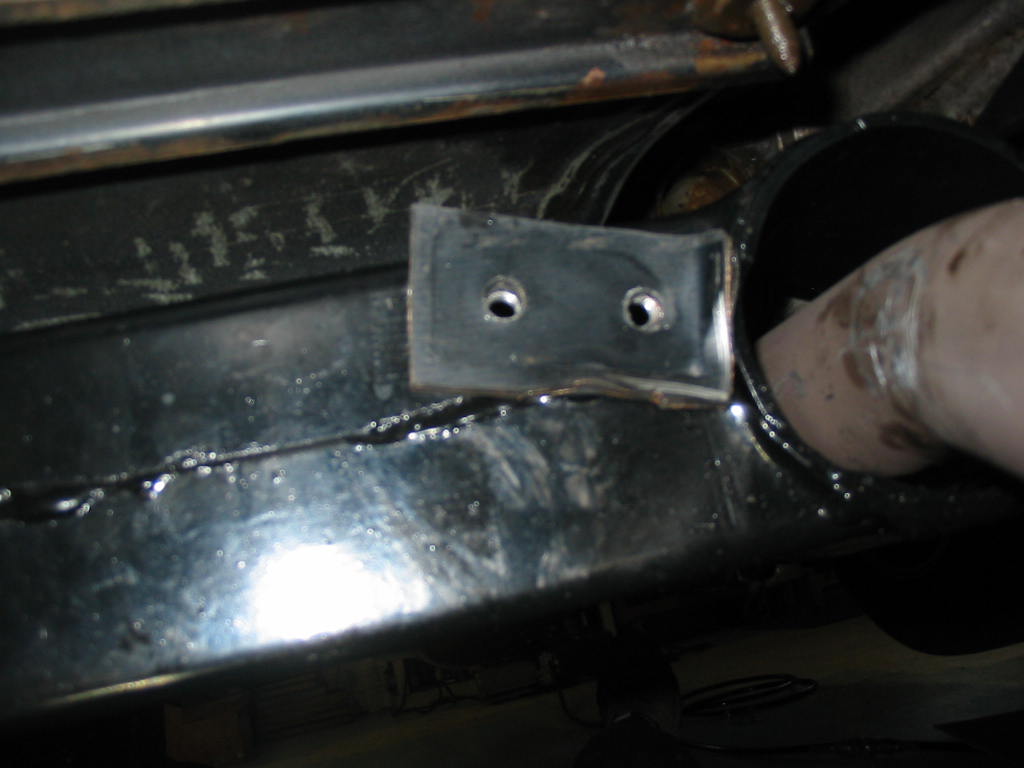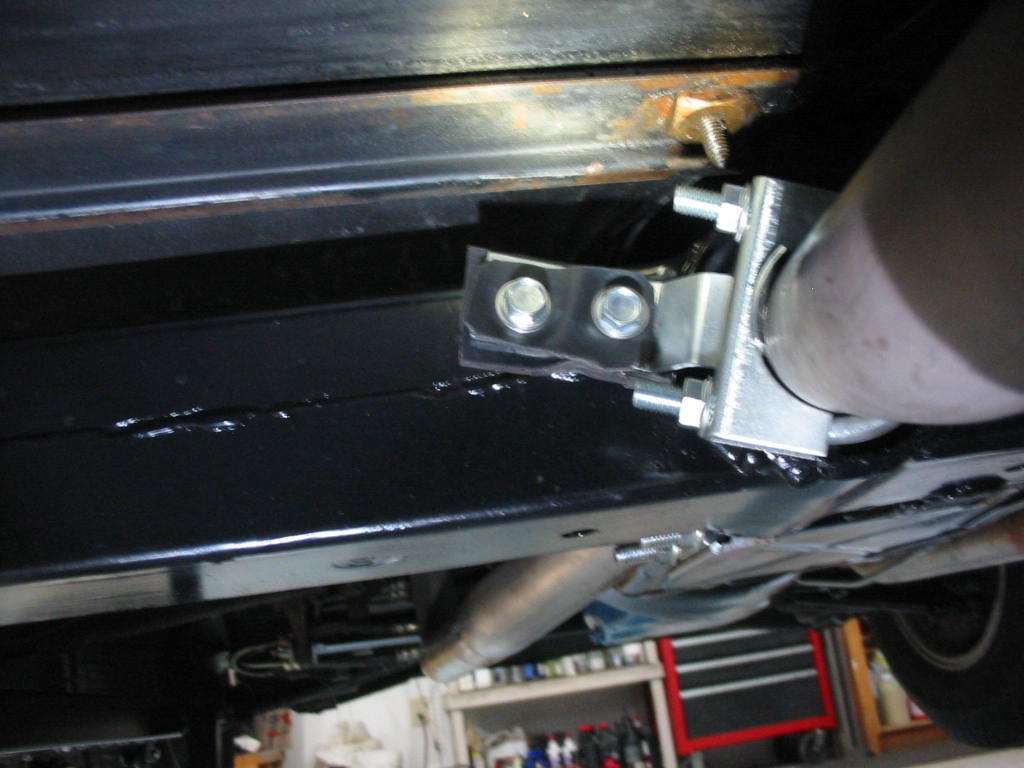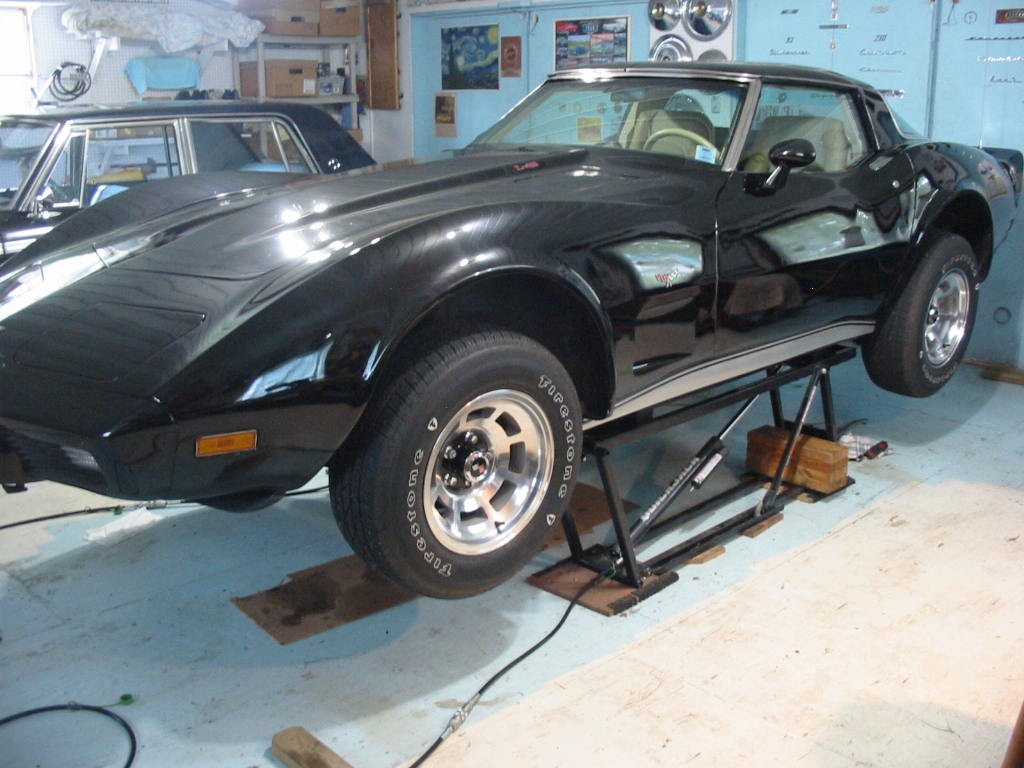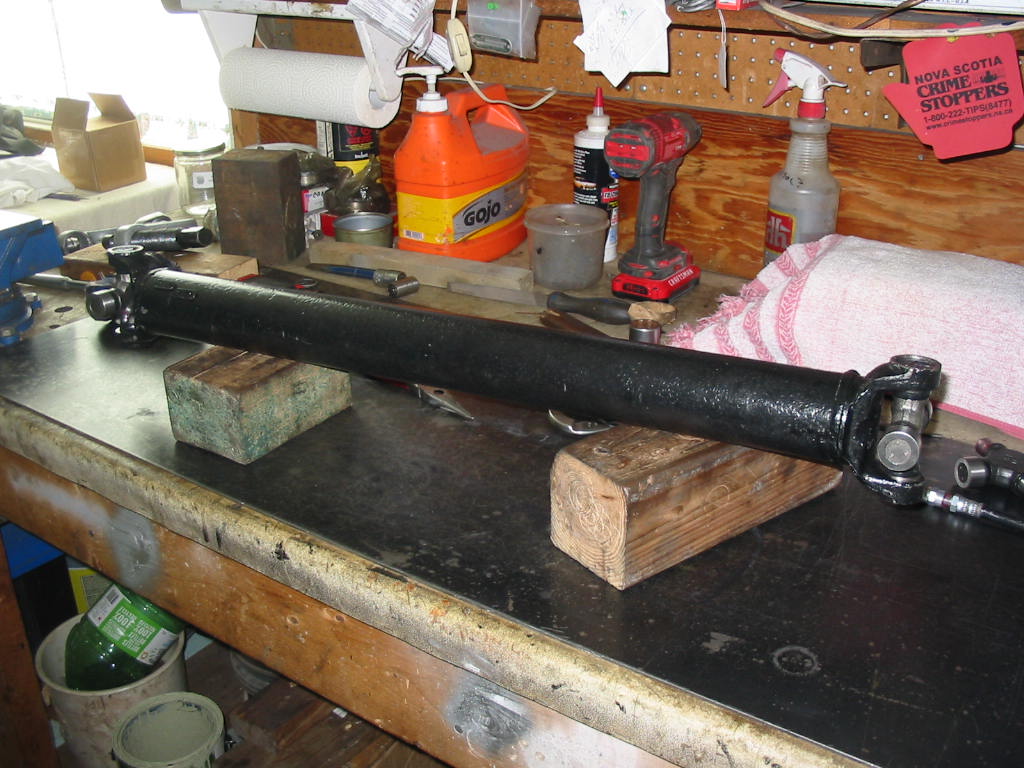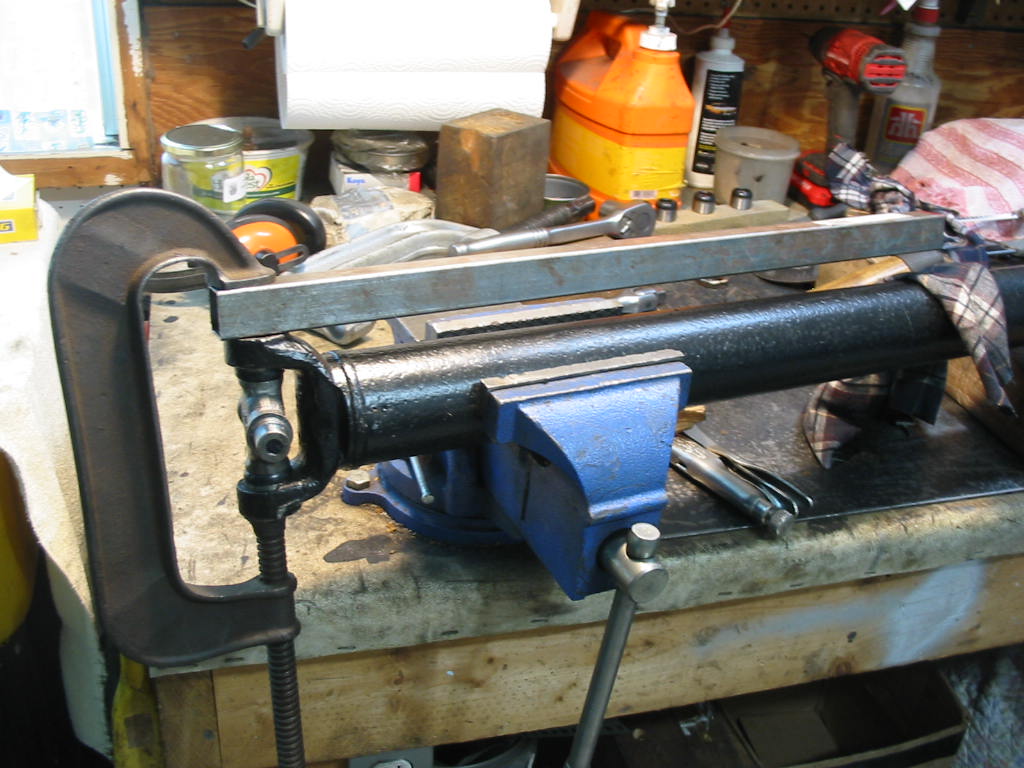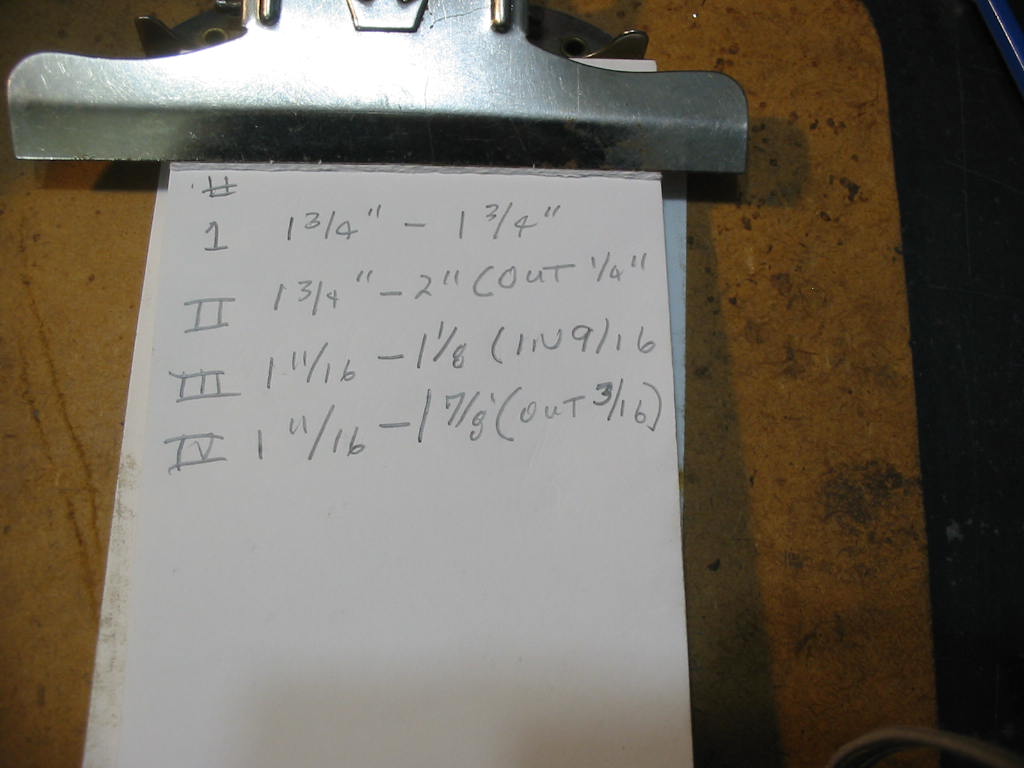
I removed the fabricated hangers from the front cross member and took the car out for a test. The exhaust was held up only by the exhaust manifolds and the rearmost muffler hangers. I’m using band clamps on the exhaust and so the pipes are quite rigid as if they were welded together. The test was successful. Now I needed to make up some standard type hangers that are only connected to the body by re-inforced rubber.
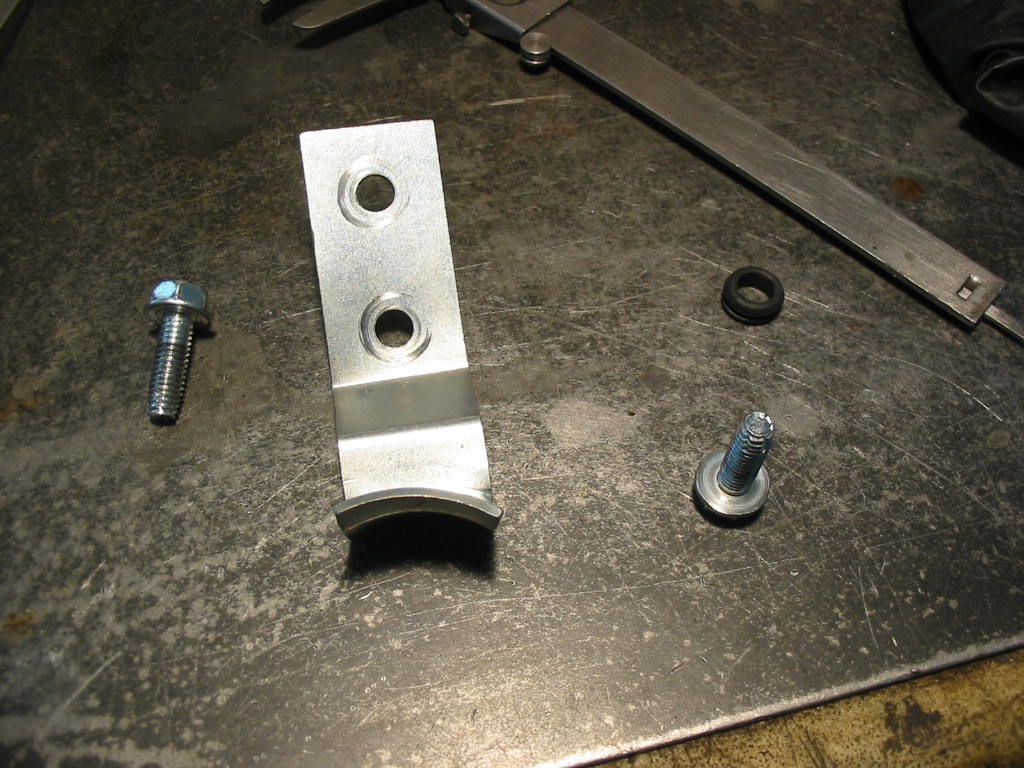
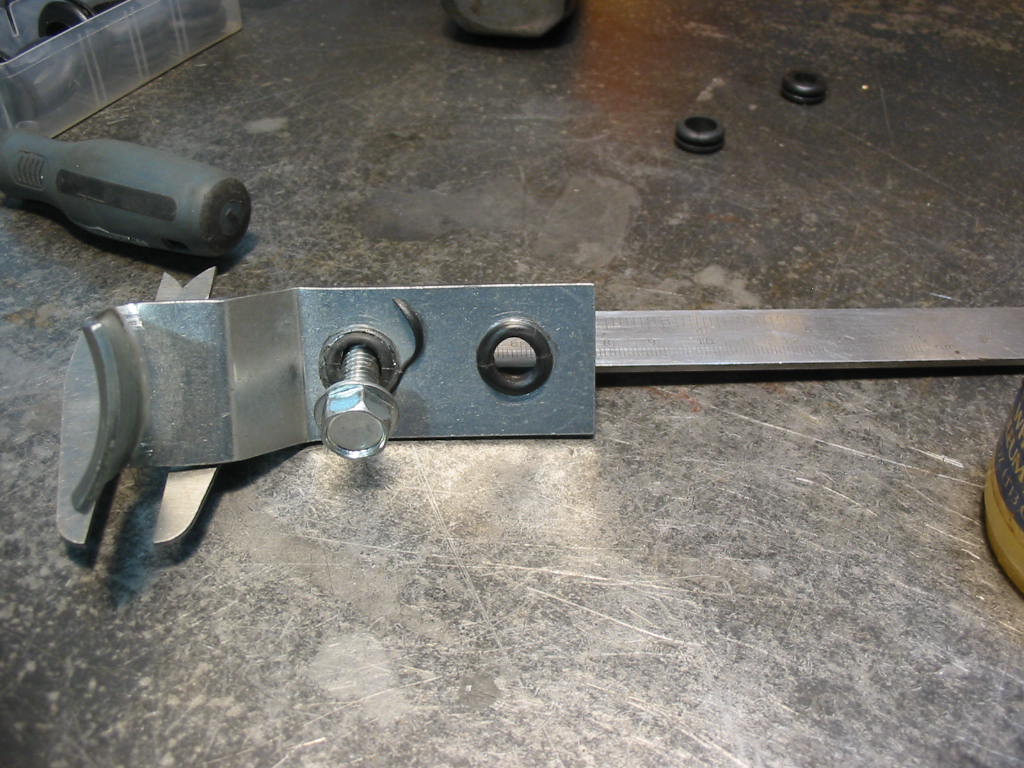
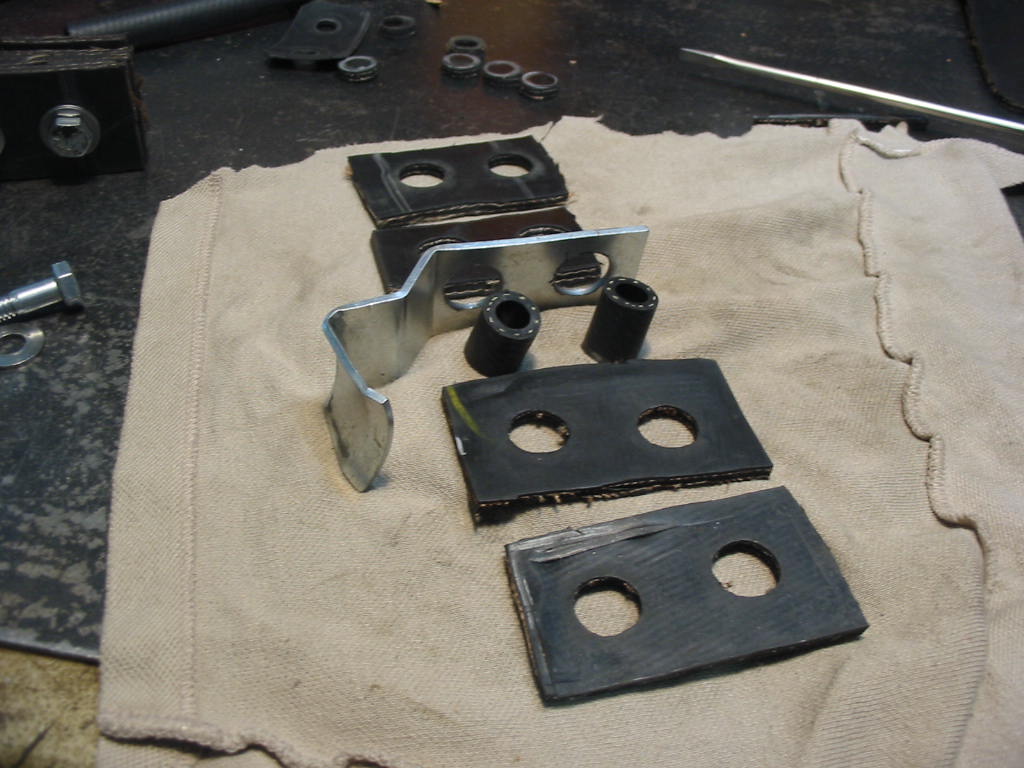
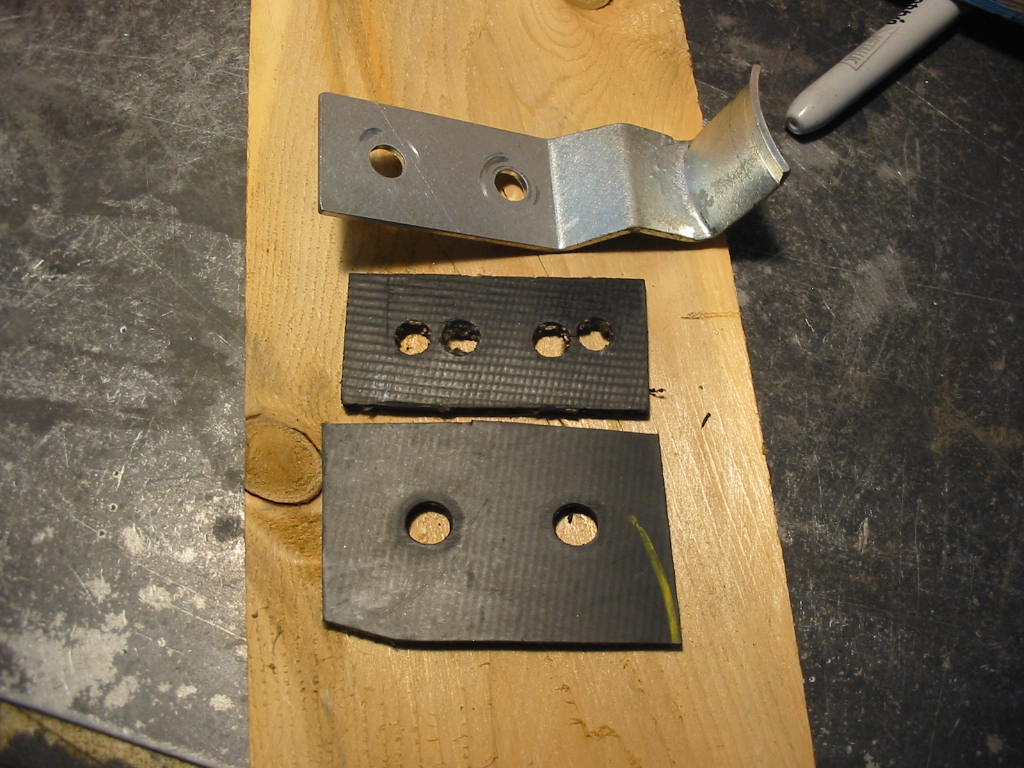
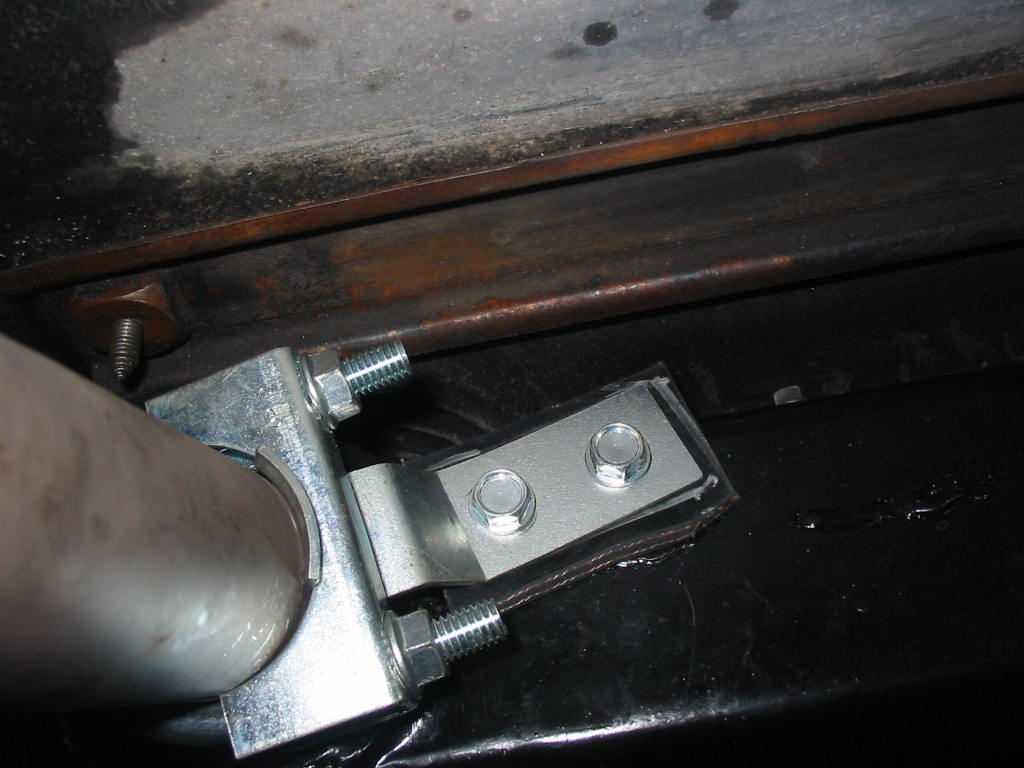
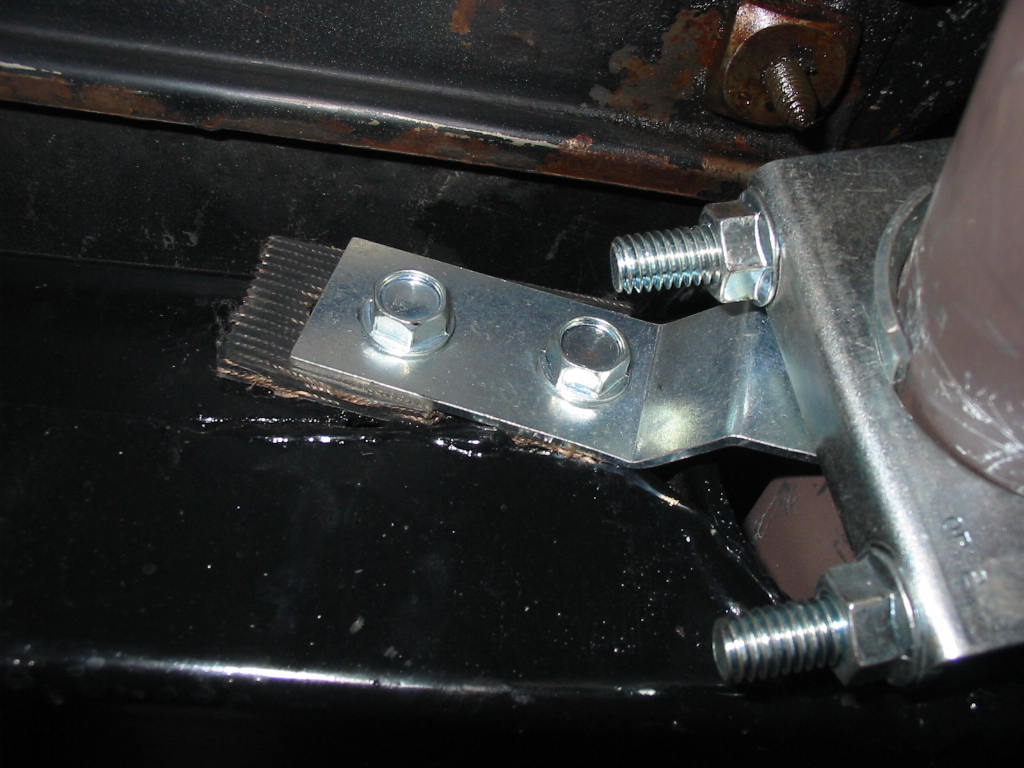
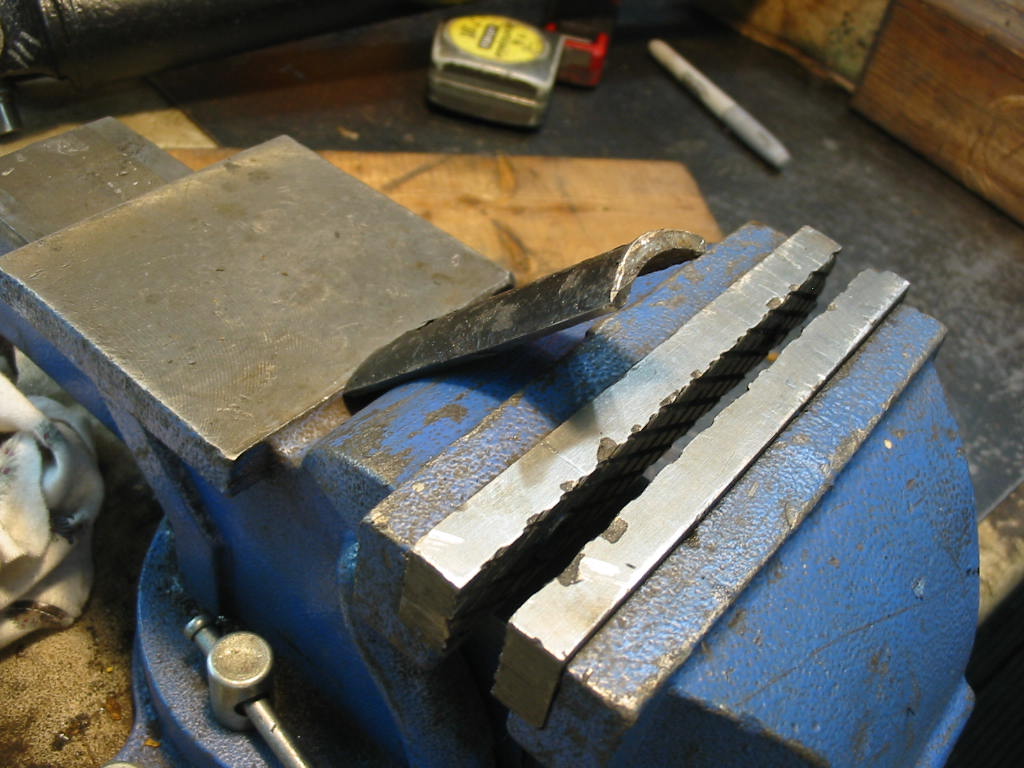
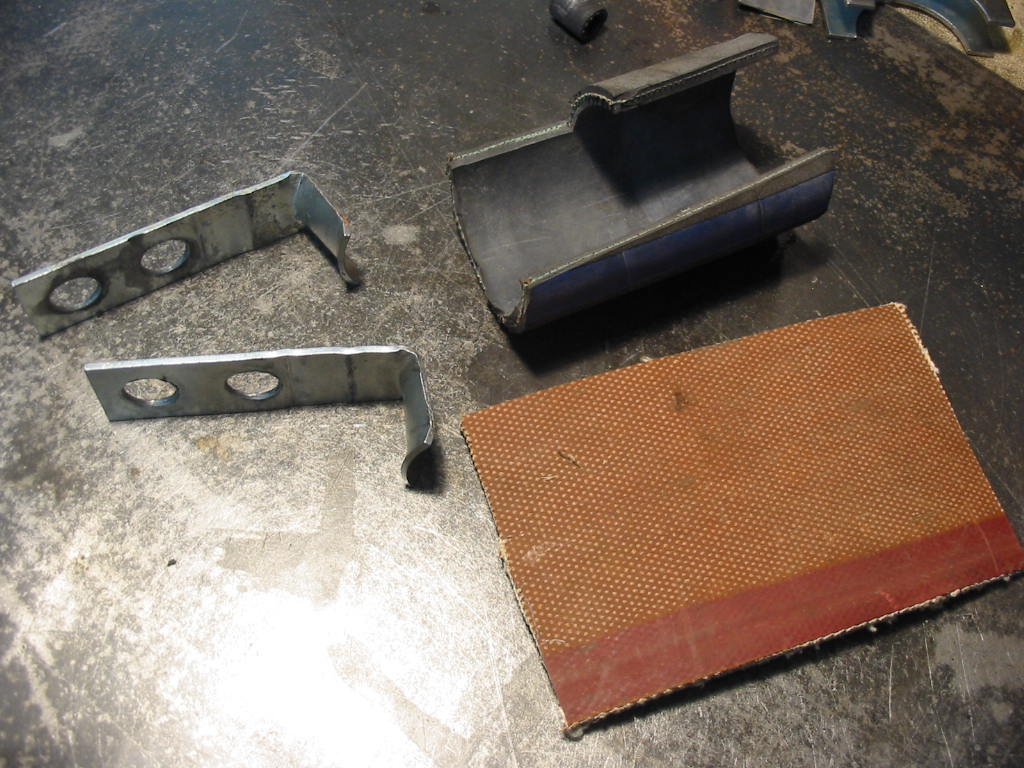
First step was to straighten out the brackets from the hanger kit. I’ve got a piece of conveyor belting or some re-inforced rubber to choose from
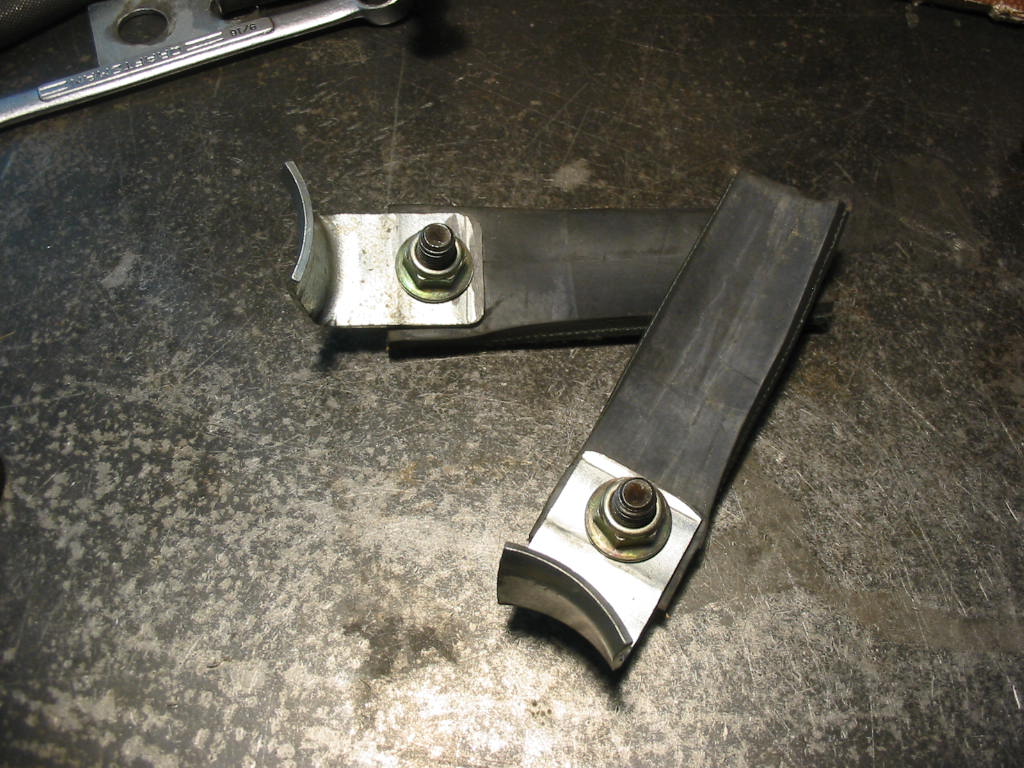
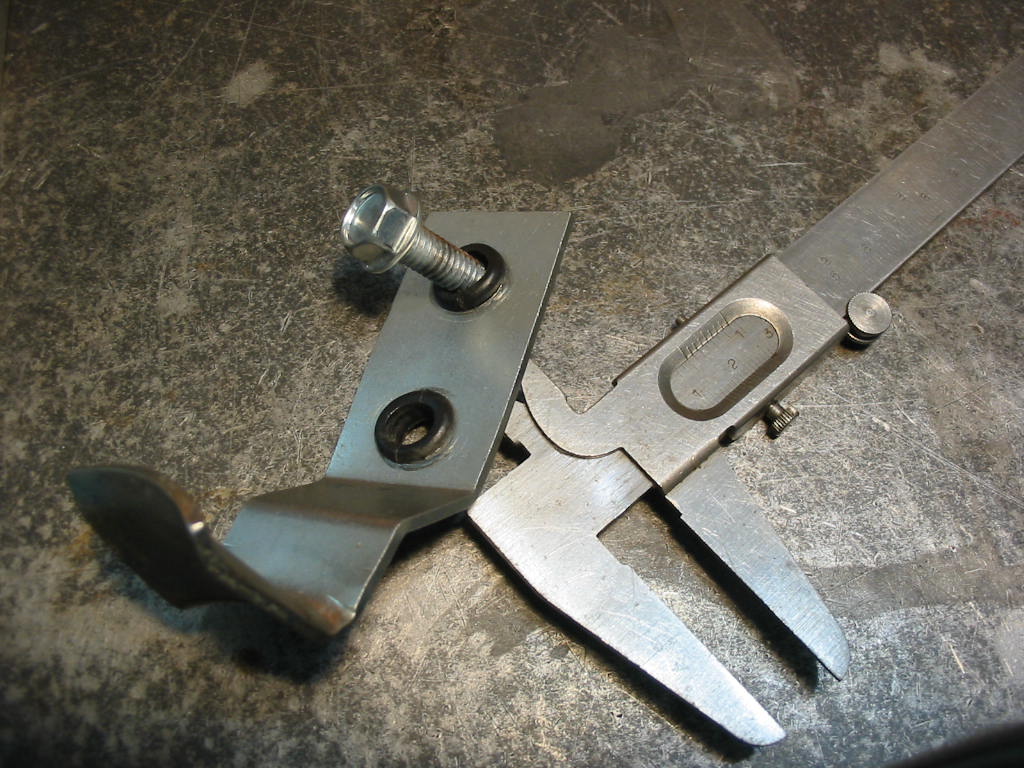
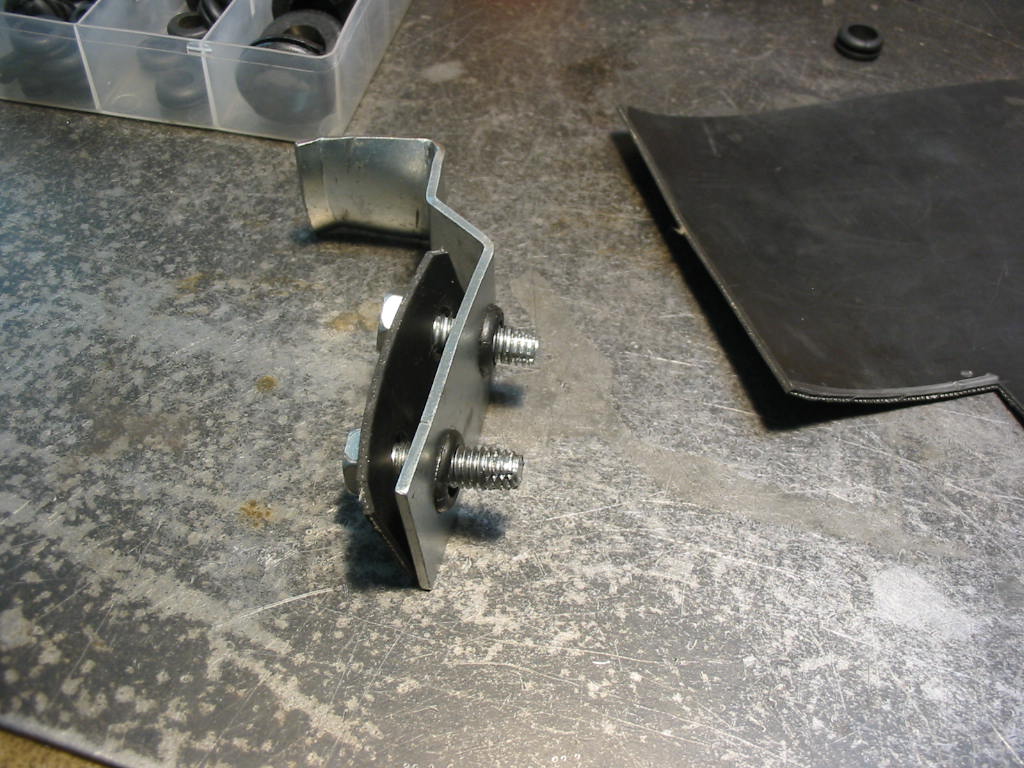
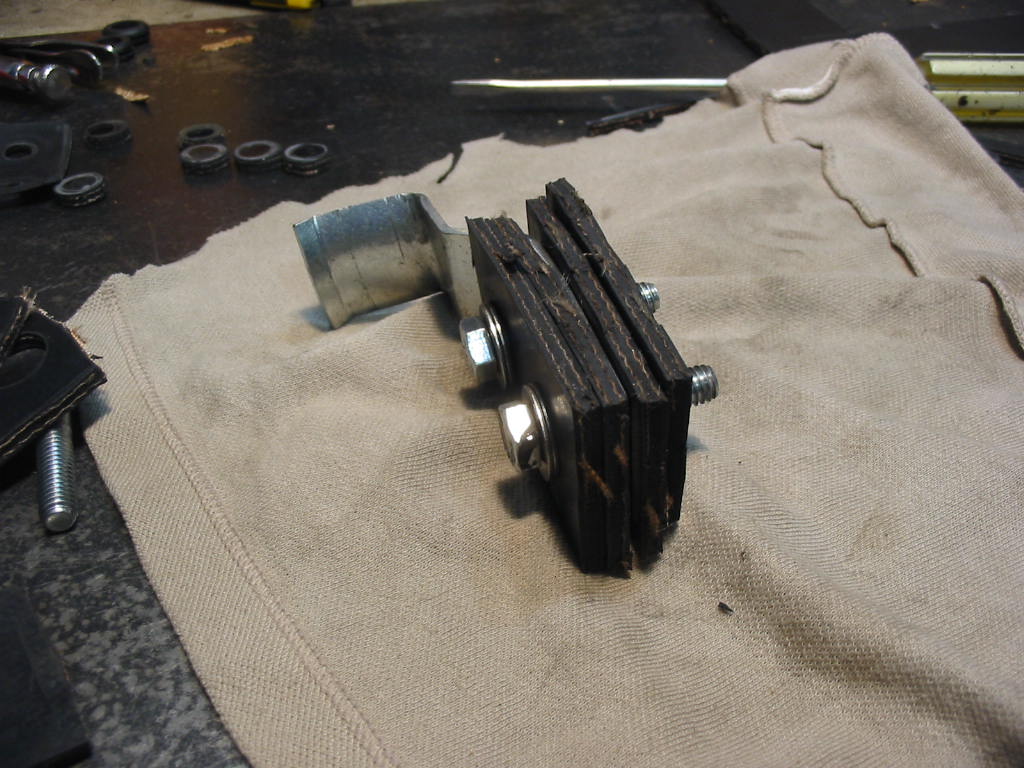
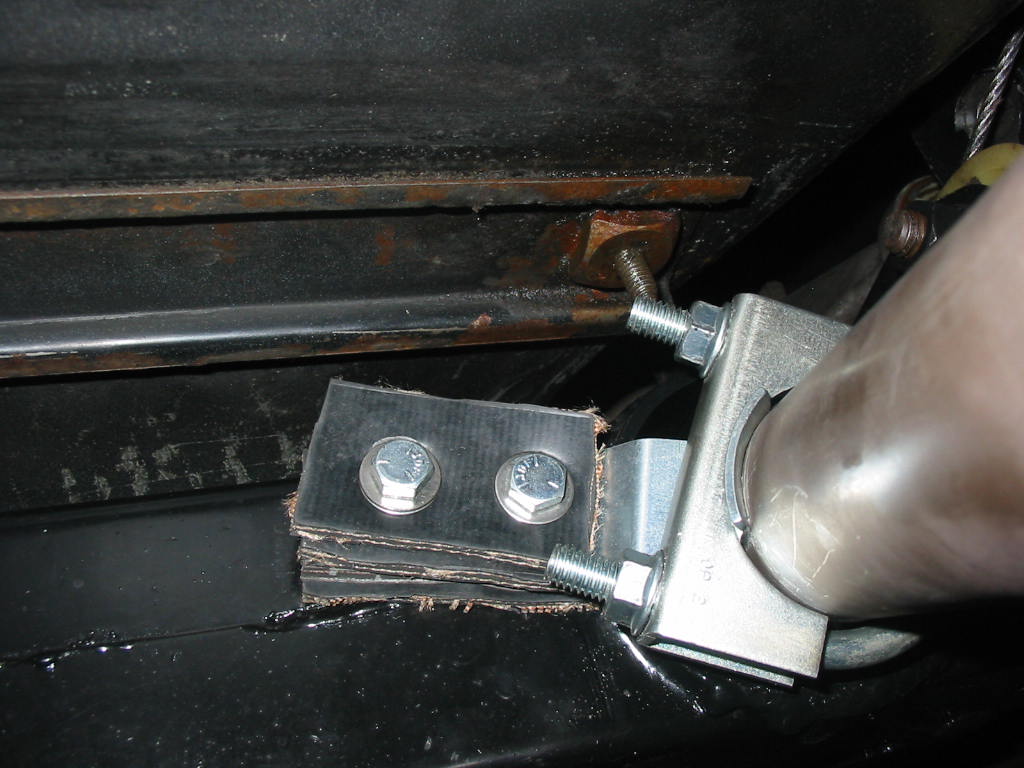
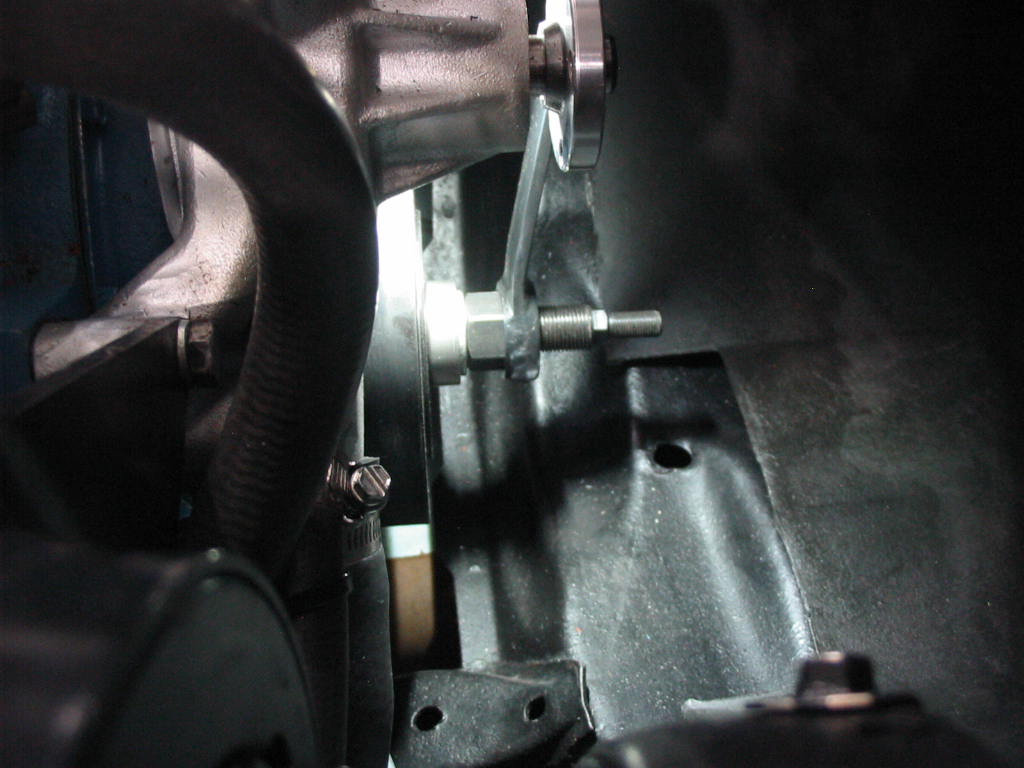
I opted for the re-inforced rubber and attached lengths to the cut off clamps. I bored the clamps and used large washers on the back and self locking nuts on the front as shown.
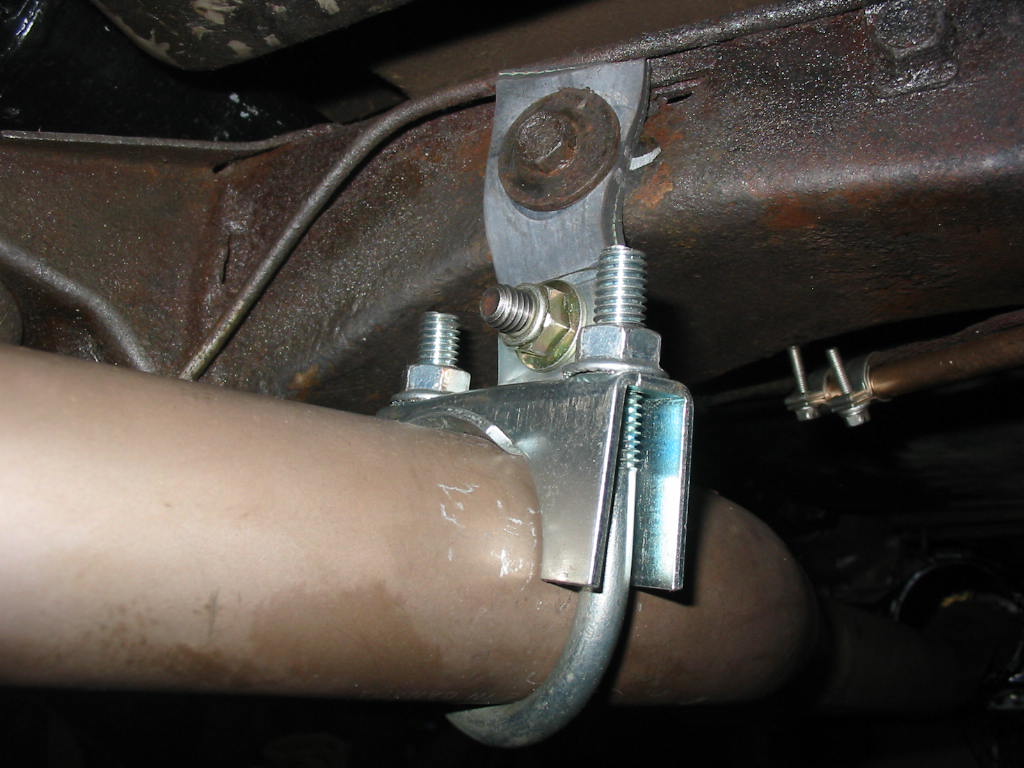
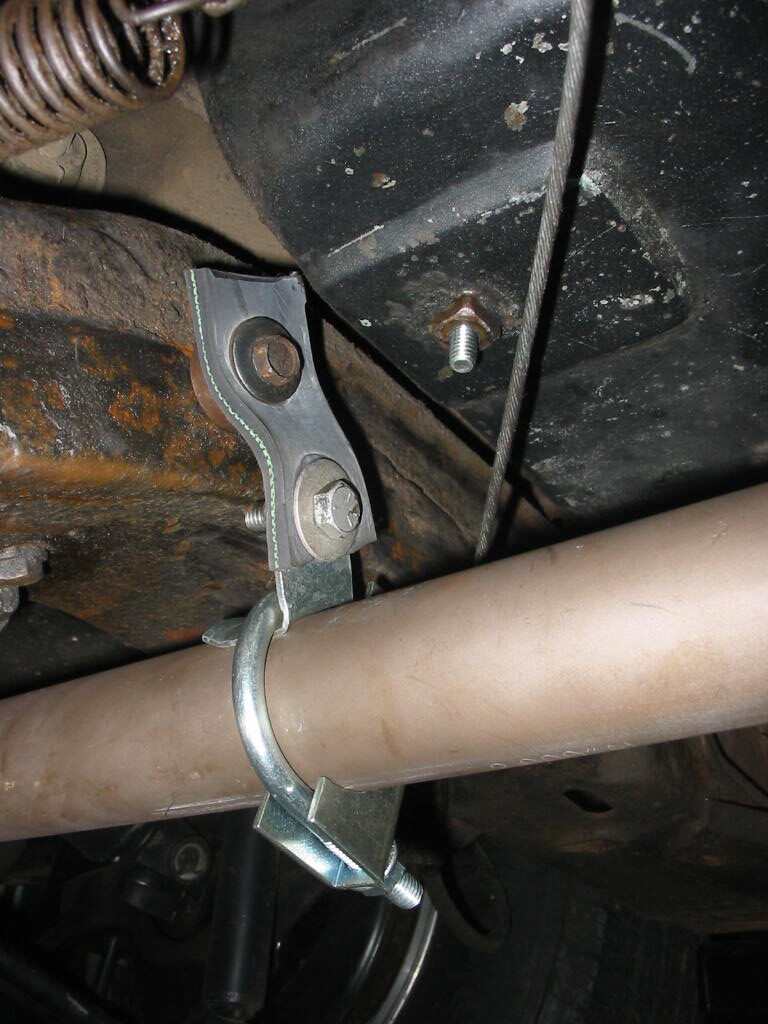
There was no way I could fit a hanger on the front cross member so I moved to the rear crossmember and was able to install the right one on the rear and the left one on the front. They are physically holding the pipes up and the whole system is quite rigid.
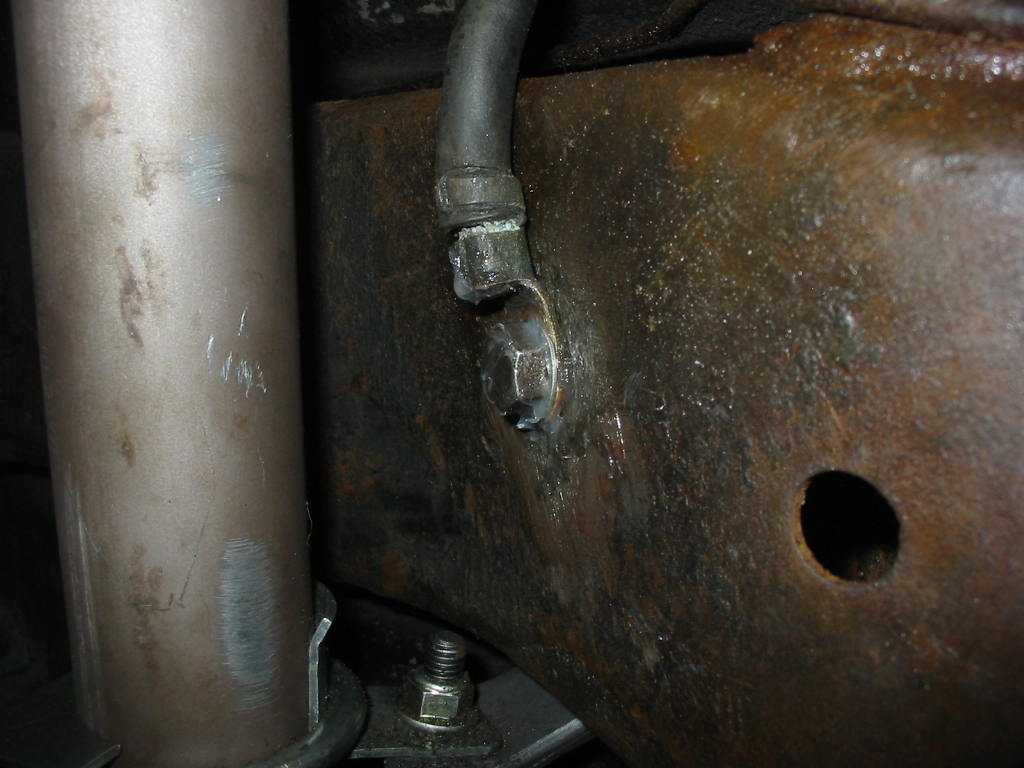
While I was under the car I took the opportunity to clean off the ground strap connections and cover it all with dielectric grease. I was having problems with my low amp bypass fuse blowing – I need it to keep the radio settings. Apparently bad connections can cause this to happen. So far so good, but we’ll have to wait a bit to be sure.
Meanwhile, the wife and I took the Chevy for a nice long drive and all the nasty vibrations are gone. The harmonics are still in the exhaust only now they’re not being transmitted to the frame. I understand that a flex pipe, if installed, will help eliminate these source vibrations. That will be a job for another day. For now, this is the first time I have really enjoyed driving the Chevy since I started to restore it two and a half years back in the spring of 2023!
Next: And now for some ‘Happy Motoring’ as Murray used to say on hockey night in Canada.